
What's the perfect strap for a luxury watch? Elegance, function, and style on the wrist.

When talking about luxury watches, we often focus on the case, the movement, and the dial. But there's a fundamental element that can completely transform the identity of a timepiece: the strap. It's not just a functional component—it keeps the watch securely on the wrist—but an aesthetic, tactile, and emotional detail. A true style element that influences comfort, wearability, and character.
The right strap changes everything
Each material tells a different story and adapts to different situations. Choosing the perfect strap means finding the right balance between function and personal taste, practicality and impact. Below, we analyze the main types of straps used in high-end watches, along with their pros and cons.
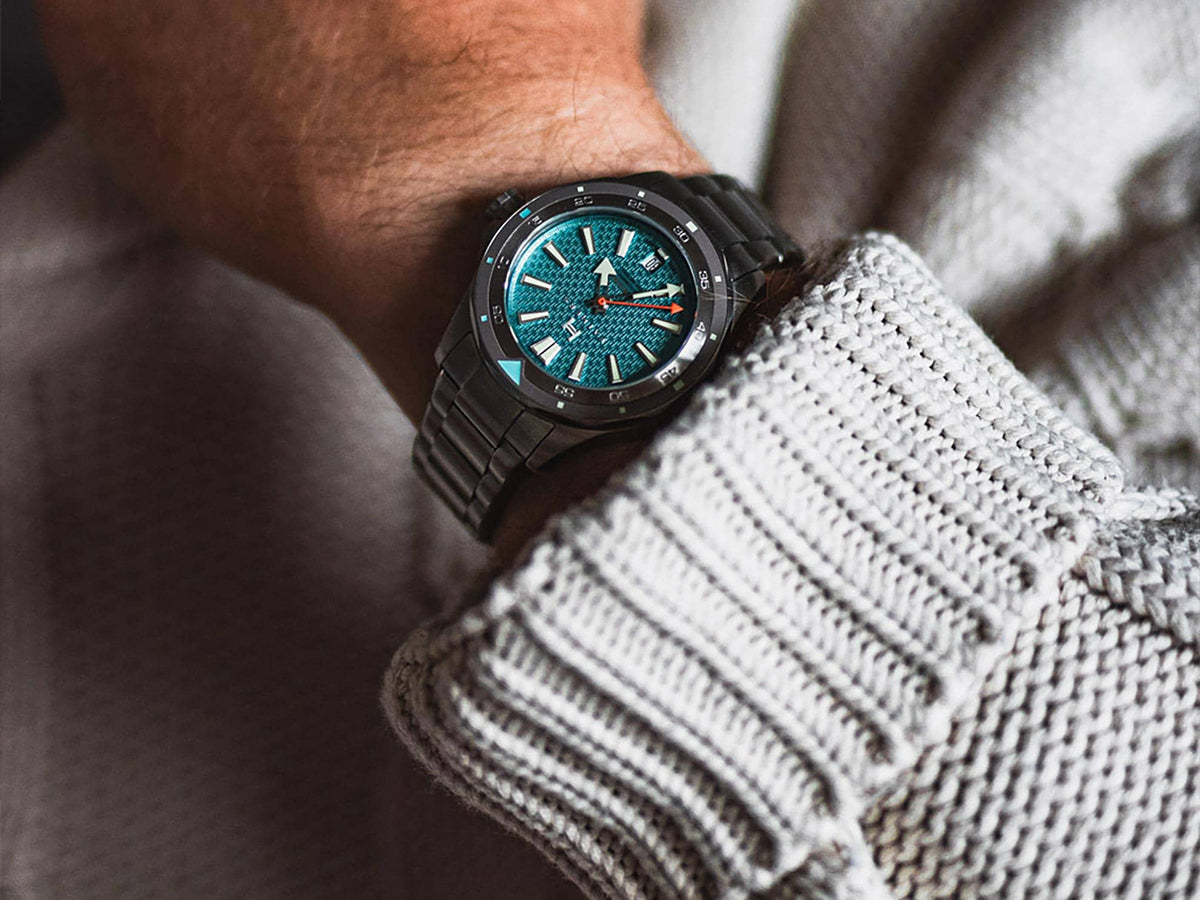
Stainless steel: timeless strength
The steel bracelet is synonymous with reliability. It's durable, versatile, and suitable for even heavy daily wear. Often used on high-end sports watches, such as the Rolex Submariner or Omega Seamaster, it guarantees excellent durability over time.
Advantages:
-
Extremely durable
-
Waterproof and corrosion resistant
-
Technical and modern look
Disadvantages:
-
Heavier than other materials
-
Less breathable in warm climates
Gold or platinum: pure luxury
Bracelets in precious metals—yellow, rose, white gold, or platinum—are the quintessential royal choice. Featured on models like the Patek Philippe Nautilus or some Rolex Day-Dates, they add prestige and value to the entire watch.
Advantages:
-
The ultimate expression of luxury
-
Durability and intrinsic value
Disadvantages:
-
Expensive and prone to scratches
-
They require attention in maintenance
Leather: classic and refined elegance
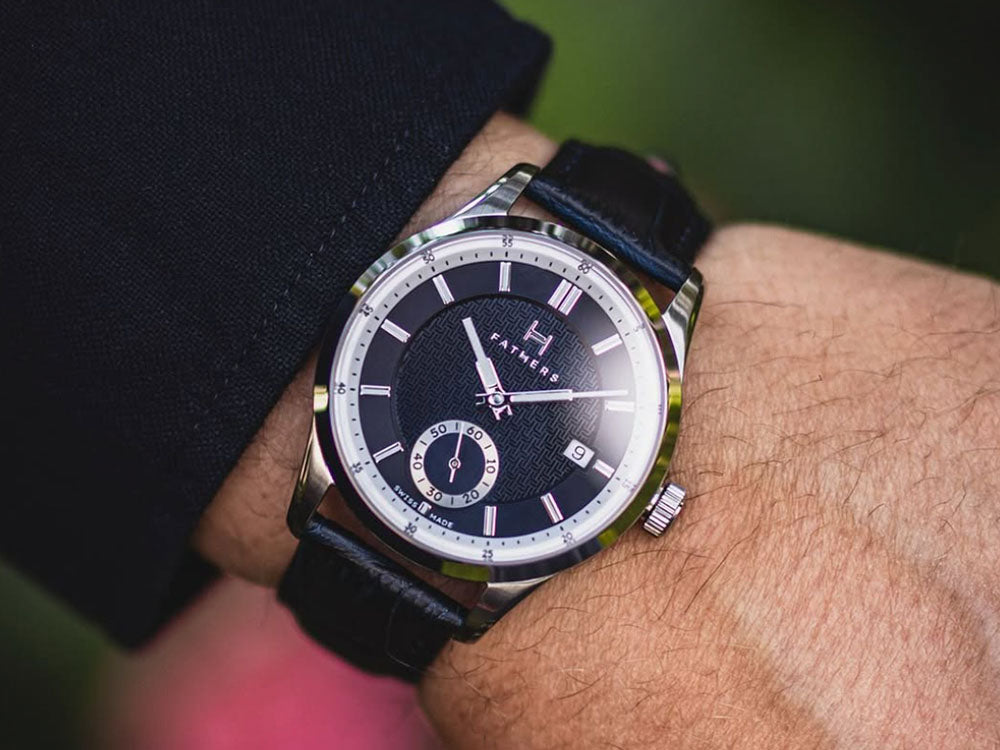
The leather strap has always been synonymous with discreet elegance. Chosen for dress watches like the Cartier Tank or the Jaeger-LeCoultre Reverso, it lends a sophisticated and understated touch, ideal for formal occasions or tailored suits.
Advantages:
-
Comfortable and light
-
Elegant and traditional look
Disadvantages:
-
Sensitive to humidity and sweat
-
Shorter lifespan than metal
Rubber: sportiness and contemporaneity
The rubber strap, or vulcanized rubber, is the perfect ally for a modern sports watch. Used by brands like Audemars Piguet, Hublot, and Richard Mille, it combines comfort and durability.
Advantages:
-
Resistant to water and external agents
-
Great comfort in summer and during physical activity
Disadvantages:
-
Less formal
-
Subject to wear and tear over time
Technical fabric and NATO strap: personality and functionality
Increasingly popular even in the high-end segment, technical fabric or NATO-style straps combine lightness and practicality. Perfect for those who like to change their look frequently, they are also used on military or adventure-inspired models.
Advantages:
-
Versatile and interchangeable
-
Light and comfortable
Disadvantages:
-
Less “luxury” on an aesthetic level
-
Shorter lifespan if used intensively
The perfect strap: a personal choice
The truth is, there's no single ideal strap. It depends on how you use your watch: do you wear it every day? Only on special occasions? Do you like to change the style based on your mood or outfit?
Many collectors own multiple interchangeable straps for a single watch, adapting it to the context or season. And today, more and more brands offer quick-release systems, precisely to encourage this freedom of expression.
Conclusion: Style is worn on the wrist
In the Fathers world, the strap is an integral part of the watch's vision. Every material, every stitching, every link is chosen to express identity, character, and coherence.
Whether you prefer the solidity of steel, the softness of leather, or the boldness of rubber, your strap says a lot about you. Because time is also measured by how you wear it.