

What is Old Money style really? Elegance, discretion, and understated luxury.

In an age of appearance and unbridled consumerism, Old Money style shines like a beacon of sobriety and refinement. It's not a passing fad, nor a social media aesthetic: it's a true way of life. Born from the world of the upper middle class and international aristocracy, Old Money style has also captivated new generations with its timeless appeal. But what exactly is it? And why does it continue to inspire, now more than ever?
Discreet elegance: the taste of the unsaid
The heart of Old Money style is discretion. There are no flashy logos, bright colors, or loud accessories. The watchword is quality . Tailored suits, cashmere blazers, leather loafers, Egyptian cotton shirts: each piece is carefully chosen, enhanced by the perfect fit and excellent materials.
Those who wear Old Money have no need to prove anything. They don't follow trends, because their style is built on tradition, continuity, and identity. It's the elegance of those who already have it all, and don't have to show it.
The silent luxury of education
A true Old Money isn't just distinguished by his attire, but by his behavior. Good manners are essential: courtesy, respect, discretion, self-control.
Being well-mannered is the rarest luxury. It's what allows you to move with ease in any context, to know how to listen, speak with restraint, and act with elegance.
It's also a question of language: sober, precise, never over the top. Because those who truly have class don't need to raise their voice.
Timeless Passions: Free Time as an Expression of Style
The Old Money style is also reflected in the way one spends one's free time. The typical passions of this style are noble, classic activities, often linked to nature or excellence:
-
Golf in private clubs
-
Polo, the elite sport par excellence
-
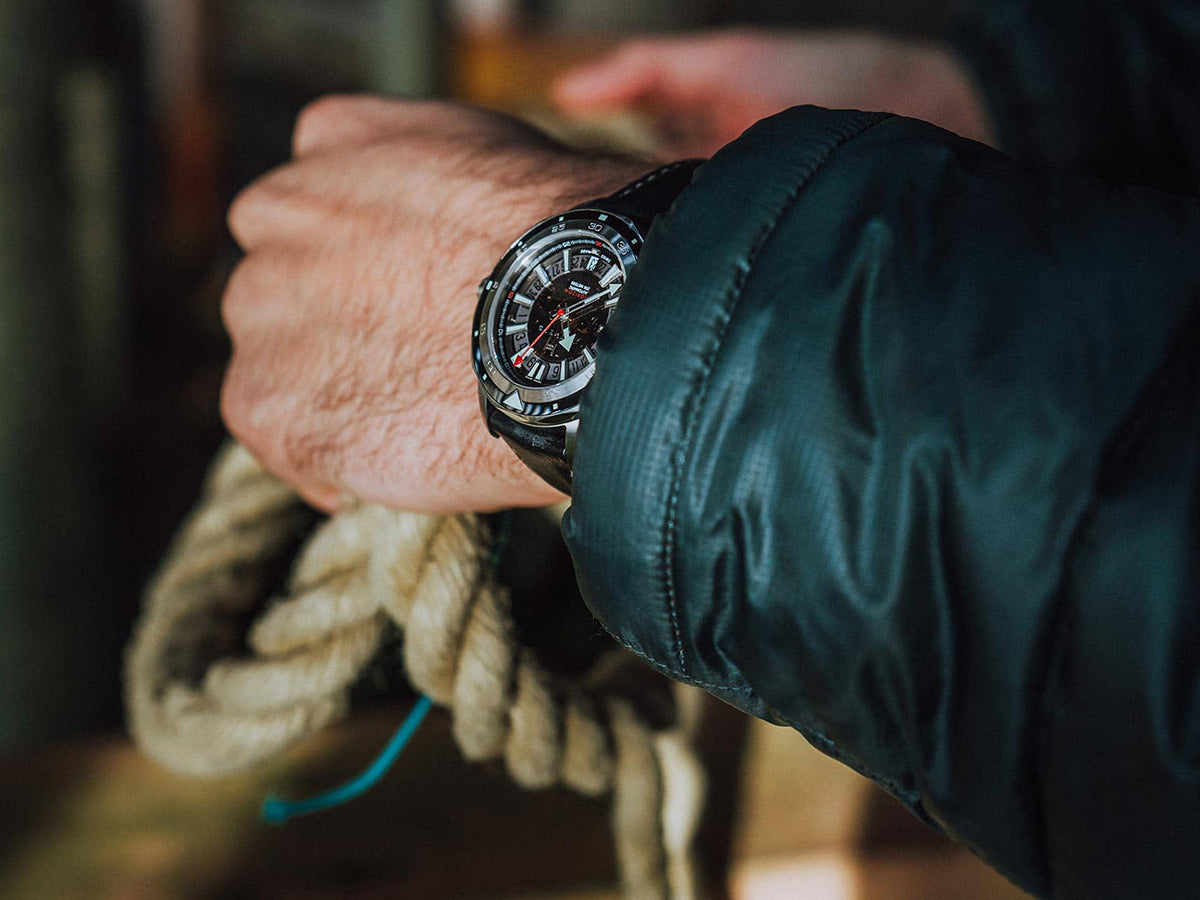
Sailing and navigation
-
Skiing in exclusive resorts like St. Moritz or Gstaad
-
Reading, art, classical music, antiques
It's not about showing off expensive hobbies, but about choosing experiences that speak to culture, history, and tradition. Even leisure becomes an expression of identity.
Smart investments: wealth that lasts over time
Old Money isn't just elegant: it's also prudent, strategic, and attentive. For them, wealth isn't an ostentation but a responsibility. That's why they prefer stable, solid, and meaningful investments:
-
Prestigious properties , often passed down through generations
-
Art and collecting , with taste and expertise
-
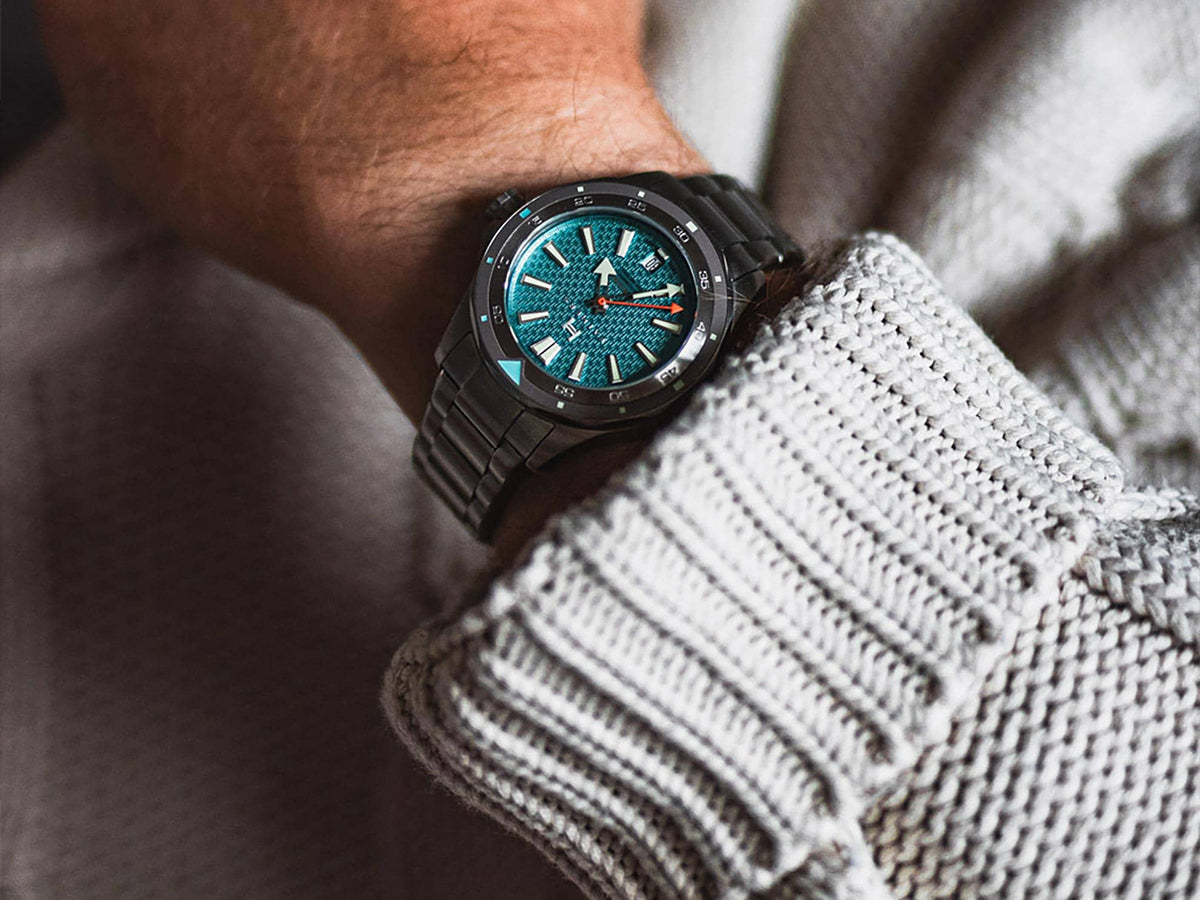
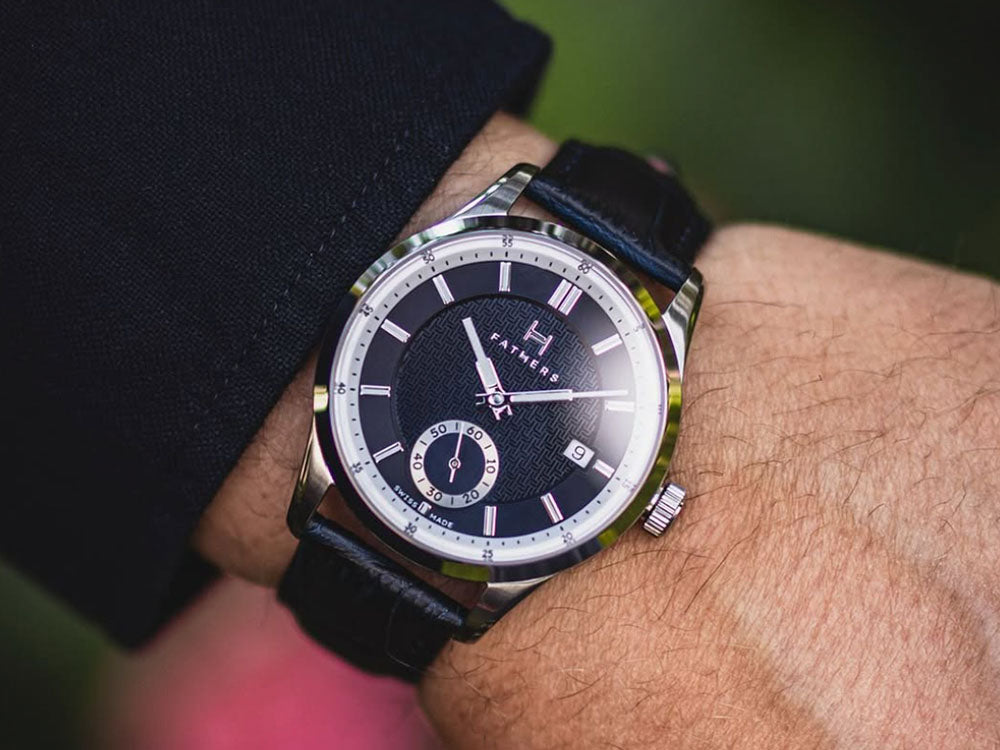
High-end watches , a symbol of time well spent and family values
-
Family businesses , managed with vision and sobriety
No cover-worthy gambles. Just thoughtful choices, with a long-term focus.
Old Money vs New Money: two philosophies compared
When compared to "New Money"—those who built their fortune more recently—clear differences emerge. New Money tends to show off, celebrate, and emphasize. Their style is often flashier, high-tech, and influenced by marketing and celebrity.
The Old Money style, on the other hand, prefers a low profile. It seeks consistency, not approval. It's not designed to be "noticed," but to be recognized—by those who know what to look for.
The style that never goes out of fashion
Precisely because it's founded on solid values, the Old Money style never ages. It's immune to trends, because it's based on quality, history, and balance.
A vintage watch, a pair of hand-polished Church's, an inherited tweed jacket: every item has a past, a meaning, a narrative.
Conclusion: style as a personal asset
In the Fathers world, Old Money style is a source of profound inspiration. Not because it's inaccessible, but because it represents a conscious choice: to live elegantly, invest in time, act with respect, and leave a legacy of values.
Dressing well isn't enough. You need to know how to live well. And this, Old Money style, has always taught us.