


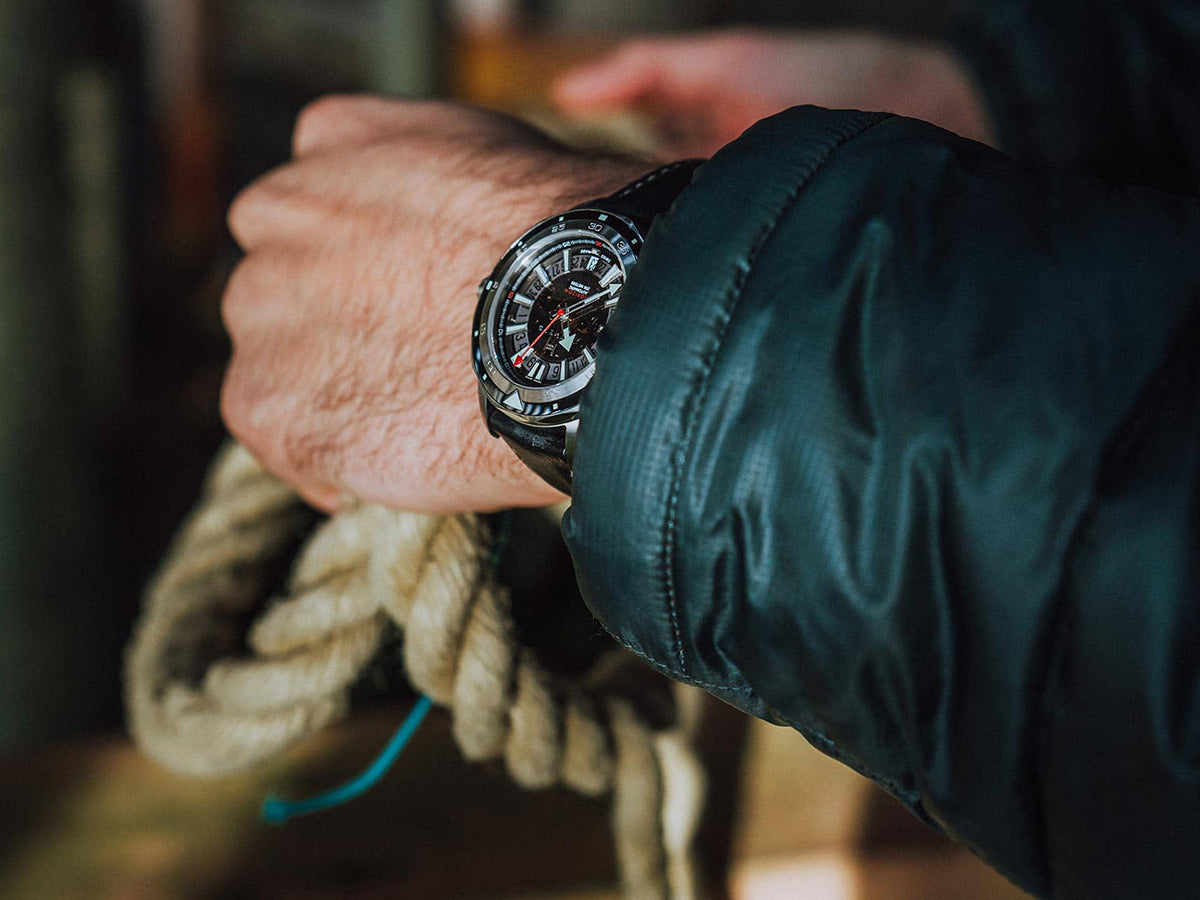
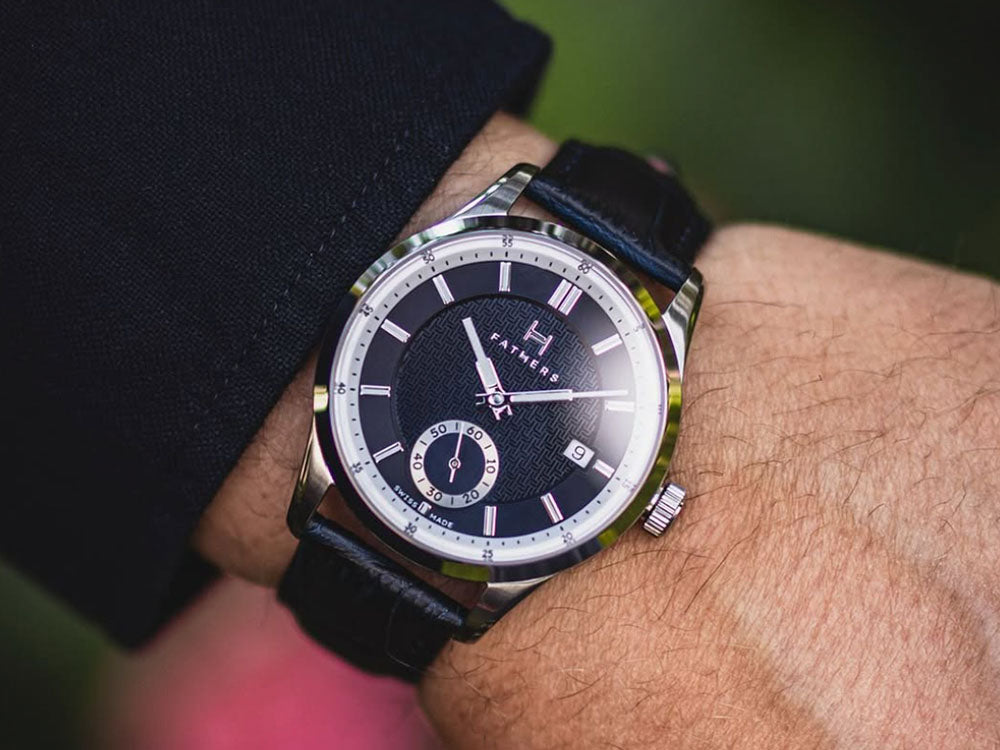
Why is the watch worn on the left?

Why is the watch worn on the left? This is a question many ask. The tradition of wearing a watch on the left wrist has historical and practical roots. In this article, we'll explore the reasons behind this choice and how it became a custom around the world.
The origins of the tradition
History and customs
The custom of wearing a watch on the left wrist dates back several centuries. In the past, pocket watches were very popular. These watches were often carried in a vest or coat pocket. Over time, wristwatches became more common, especially after World War I.
The influence of war
During World War I, many soldiers began wearing wristwatches. At the time, wristwatches were considered more practical than pocket watches. Soldiers needed to be able to check the time without removing their watches from their pockets. Furthermore, the left arm was often used for actions such as holding weapons, while the right was freer for other tasks.
The practical reason
Convenience and use
Wearing a watch on the left wrist offers practical advantages. Most people are right-handed, meaning they primarily use their right hand for everyday activities. Wearing a watch on the left wrist prevents it from interfering with activities performed with the dominant hand.
Watch Protection
The left wrist is less exposed to impacts and damage than the right. The dominant hand, used for tasks like writing or handling tools, is more prone to bumps and scratches. Wearing your watch on the left wrist reduces the risk of damaging it during everyday use.
The evolution of watch design
Pocket watches vs. wristwatches
Initially, pocket watches were designed to be carried in a vest pocket. With the introduction of wristwatches, designers had to adapt the design to the new use. Wristwatches were designed to be worn on the left wrist, as it was the most comfortable and practical position for most people.
The clock mechanism
The internal mechanism of the watch is designed to function properly when worn on the left wrist. Some watch models have the setting button and crown positioned so that they are easily accessible for those who wear the watch on the left wrist.
Cultural and personal differences
The dominant hand and personal preferences
While most people wear their watches on their left wrist, there are exceptions. Some left-handed people prefer to wear their watches on their right wrist for comfort. This choice depends on the dominant hand and each individual's personal preference.
Watches and fashion
Fashion has also influenced the choice of wrist on which to wear a watch. Some designers and stylists have promoted the idea of wearing a watch on the right wrist as a style statement. This can be seen as a form of personal expression and a way to stand out from the norm.
The watch as a fashion accessory
Trends and styles
Watches have become a very popular fashion accessory. Trends and styles change over time, influencing how people wear watches. While the tradition of wearing a watch on the left wrist is still prevalent, preferences and fashions have changed.
Watches on both wrists
A recent trend is to wear watches on both wrists. This choice may be influenced by fashion or the desire to express a unique personal style. Wearing watches on both wrists can also be a practical choice for those who need to track multiple time zones or simply for aesthetic pleasure.
Ergonomic considerations
The ergonomics of the wrist
Wearing a watch on the left wrist can be more ergonomic for most people. The left wrist is often less stressed than the right, reducing the risk of discomfort or fatigue. Furthermore, the watch doesn't interfere with daily activities performed with the dominant hand.
Clock adjustment
Many watches are designed with adjustable straps that can be adjusted for optimal comfort. If the watch is worn on the left wrist, it's important to ensure the strap is properly adjusted to avoid discomfort and improve comfort.
The impact of technology
Digital watches
With the advent of digital watches and smartwatches, the use of watches has seen significant changes. Smartwatches, for example, offer a variety of technological features and can be worn on either wrist. However, the tradition of wearing a watch on the left wrist persists, even with modern technology.
Watches and wearable devices
Watches and wearable devices continue to evolve, but the choice of which wristwatch to wear remains influenced by traditional habits and personal preferences. Technology has expanded possibilities, but it hasn't completely changed the custom of wearing a watch on the left wrist.
Lifestyles and watches
Daily activities
The way we wear watches can vary depending on our daily activities. For those who perform manual labor or strenuous physical activity, wearing a watch on the left wrist can be more practical and better protect the watch from damage.
The clock and the profession
Certain professions may influence the choice of wrist on which to wear a watch. For example, those who work in environments that require constant precision or handle tools may choose to wear their watch on the less dominant hand to reduce the risk of injury.
The psychology behind the clock
Symbolism and perception
Wearing a watch on the left wrist can also have symbolic and psychological meanings. For some people, following traditional conventions can represent a sense of belonging and adherence to social norms. The perception of a watch as a symbol of status or elegance can influence the choice of wrist on which to wear it.
Fashion as a personal expression
Fashion and trends can influence the decision to wear a watch on the right wrist. Some may choose to follow modern trends or express their personality in a unique way, even if that means deviating from tradition.
Conclusion
Why is the watch worn on the left? The answer to this question is rooted in history, practicality, and cultural customs. The tradition of wearing a watch on the left wrist originated with pocket watches and evolved with the introduction of wristwatches. Although personal preferences and modern fashions have led to variations, the custom of wearing a watch on the left wrist remains predominant.
Wearing a watch on the left wrist offers practical benefits, such as preventing damage and improving comfort. However, the choice of wrist to wear a watch on is also influenced by personal and cultural factors. Whether you follow tradition or prefer a different choice, the important thing is that the watch is comfortable and suited to your lifestyle.